
Polynucleotides are easily the most talked-about treatment in aesthetics right now, and I think it’s important to give you a proper, honest explanation of what they actually are, how they work, and whether they might be right for you.
If you’ve noticed your skin looking a bit tired lately, a bit less bouncy than it used to be, that slightly dull, crepey quality that no amount of moisturiser or serum seems to shift, you’re not alone. This is one of the most common concerns I hear in my clinic, and it’s the reason so many of my patients are asking about polynucleotides.
Because of that, I want to give you the same explanation I’d give you if you were sitting across from me in a consultation. Just the honest science and what you can realistically expect.
Why does skin quality change as we age?
Before we get into polynucleotides specifically, it helps to understand what’s actually happening beneath the surface of your skin as you get older.
Your skin’s firmness, bounce, and glow come from three key things: collagen (the scaffolding that keeps everything firm), elastin (the springs that give your skin its snap-back quality), and hyaluronic acid (your skin’s natural moisture reservoir).
From your mid-twenties onwards, your body starts producing less of all three. Collagen production drops by roughly 1-1.5% per year. Elastin fibres start to fragment. Your skin holds less moisture. It’s a gradual process, but over time it adds up, and that’s when you start noticing the dullness, the fine lines, the loss of that healthy plumpness.
Think of it like a mattress that slowly loses its springs. The fabric on top (your skin’s surface) starts to look less smooth and supportive because the structure underneath is thinning out. That’s not a flaw, it’s just biology. But if it’s affecting how you feel when you look in the mirror, it’s worth understanding your options.
Treatments like Profhilo have been brilliant for addressing skin hydration and stimulating some collagen production. But polynucleotides as a skin treatment work in a slightly different, and arguably deeper, way, which is why they’ve generated so much excitement.
What exactly are polynucleotides?
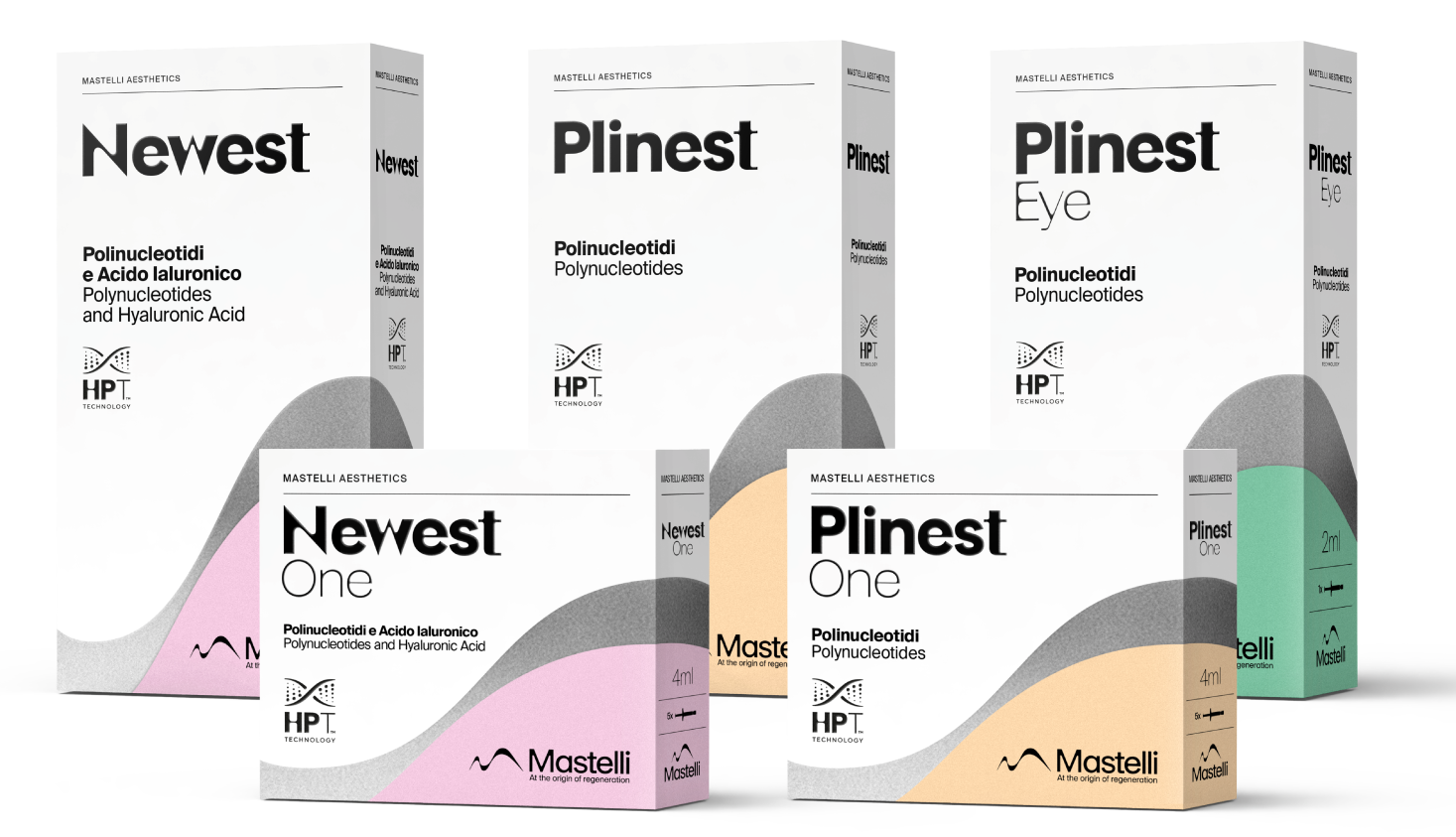
Polynucleotides are fragments of DNA, typically derived from salmon or trout, that are purified and injected into the skin to stimulate cellular regeneration. They work by signalling your fibroblasts to produce more collagen and elastin, improving skin quality from within.
I know that sounds unusual, but bear with me, the science behind it is genuinely fascinating.
These DNA fragments are purified and processed into an injectable gel that, when placed into the skin, acts as a powerful bio-stimulator. Think of them as tiny repair signals that wake up your skin’s own regeneration system.
Unlike dermal fillers, which add volume from the outside, polynucleotides work at a cellular level. They stimulate your fibroblasts, the cells responsible for producing collagen, elastin, and other components of healthy skin, to become more active again.
The clinical evidence is encouraging. Studies have shown that polynucleotides can increase collagen production by up to 47% in 23 days, with epidermal thickness improvements of up to 52% over the same period. That’s a significant boost to your skin’s own regenerative capacity.
It’s worth being transparent here: polynucleotides are still relatively new in aesthetic medicine compared to treatments like hyaluronic acid fillers or Profhilo, and the long-term data is still building. But the early clinical evidence and the results I’m seeing in my own patients are genuinely impressive.
How do polynucleotides work on your skin?
Let me break down the mechanism in plain English, because understanding how something works helps you make a confident decision about whether it’s right for you.
When polynucleotides are injected into the dermis (the deeper layer of your skin), they trigger several biological responses:
- Fibroblast stimulation. The DNA fragments signal your fibroblasts to ramp up production of collagen and elastin. This is the big one, it’s essentially telling your skin cells to behave younger.
- Hydration from within. Polynucleotides attract and bind water molecules, improving hydration at a deep level. This gives the skin a healthier, more luminous quality.
- Anti-inflammatory and antioxidant effects. They help to calm inflammation and protect against free radical damage, which contributes to premature ageing.
- Tissue repair. The DNA fragments support your skin’s natural healing and repair processes, improving overall tissue quality.
This is what makes polynucleotides different from other skin quality treatments. They’re not just hydrating or adding volume, they’re regenerating your skin from the inside out by working at a cellular level.
It’s an important distinction from dermal fillers, which physically add volume to reshape or plump an area. Polynucleotides don’t change the shape or structure of your face. They improve the quality, texture, and health of the skin itself.
What can polynucleotides help with?
This is where patients often get excited, because the range of concerns polynucleotides can address is genuinely broad.
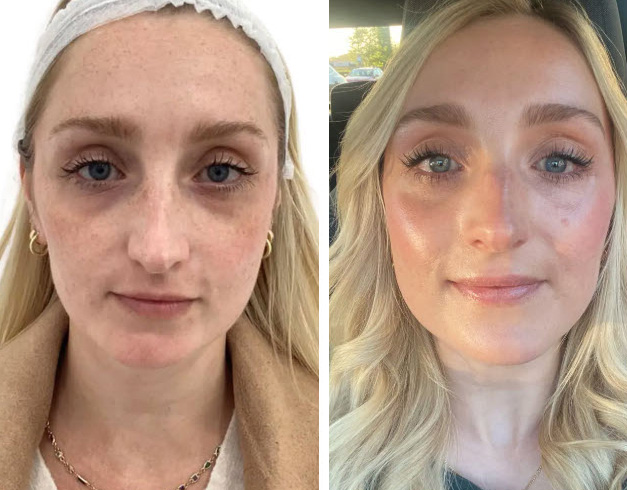
In my clinic, I most commonly use polynucleotides for:
- Fine lines and skin crepiness. That papery, thin quality that develops on the cheeks, around the mouth, or on the neck. Polynucleotides help rebuild the skin’s underlying structure so these lines become less visible.
- Dull, tired-looking skin. If your skin has lost its glow and looks flat or sallow no matter what skincare you use, the deep hydration and cellular regeneration from polynucleotides can restore that luminosity.
- Skin laxity. Early loss of firmness and bounce, particularly around the lower face and jawline.
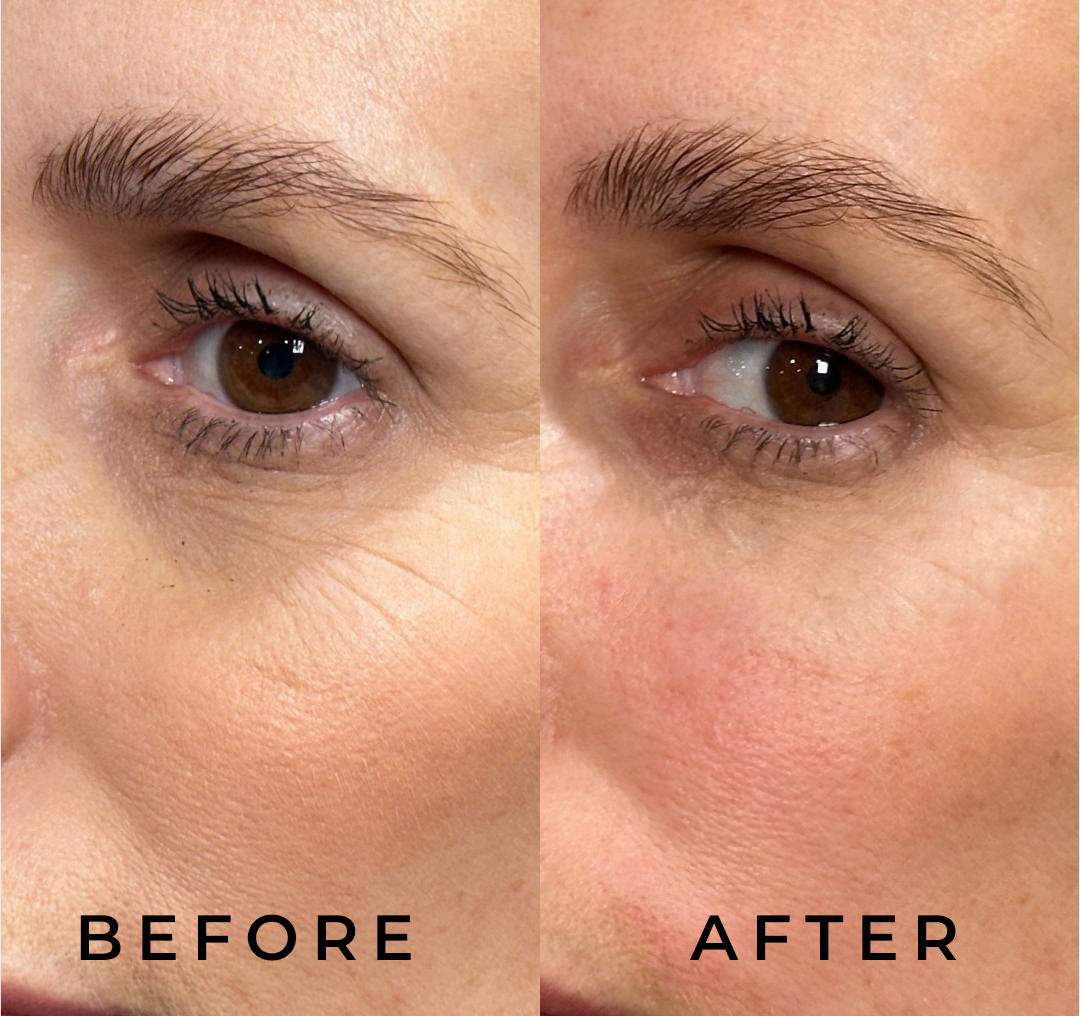
- Dark circles and under-eye concerns. The under-eye area is one of the most popular treatment zones for polynucleotides because the skin there is so thin and delicate. Improving its quality can make a noticeable difference to that tired, hollow look.
- Acne scarring. By stimulating collagen production and tissue repair, polynucleotides can help improve the texture of scarred skin over time.
- Neck and decolletage. The crepey, thin skin on the neck and chest responds particularly well to this treatment because it’s an area that often shows ageing earlier than the face.
If any of these resonate with you, it’s likely that polynucleotides could be part of the solution. But as I always say, the right treatment depends on your individual skin, your goals, and what will genuinely make a meaningful difference for you, which is exactly what we’d discuss in a consultation.
How do polynucleotides compare to Profhilo?
This is one of the questions I hear most often, and it’s a good one, because both treatments target skin quality, but they work in different ways.
Profhilo is a stabilised hyaluronic acid treatment. It works primarily by flooding the skin with deep hydration and stimulating some collagen and elastin production. It’s brilliant for skin that’s lost its moisture and bounce. I often describe it as giving your skin a long, deep drink of water from the inside.
Polynucleotides, on the other hand, work at a cellular level. Rather than primarily hydrating, they’re sending signals to your fibroblasts to regenerate and produce more collagen and elastin. The mechanism is fundamentally different, it’s more about repair and regeneration than hydration.
Here’s a simple way to think about it:
- Profhilo is like watering a dehydrated garden, it revives what’s there and gives the soil moisture to work with.
- Polynucleotides are like adding fertiliser that encourages the roots to grow stronger and deeper.
In practice, they’re not competing treatments, they’re complementary. Many of my patients benefit from both, and I often recommend them as part of a full face rejuvenation plan. Which one (or both) is right for you depends entirely on your skin’s current condition and what you’re hoping to achieve.
Here’s a quick comparison to help you see the differences at a glance:
| Polynucleotides | Profhilo | |
|---|---|---|
| What it is | DNA fragments (from salmon) | Stabilised hyaluronic acid |
| Primary mechanism | Cellular regeneration, fibroblast stimulation | Deep hydration, bio-remodelling |
| Best for | Skin regeneration, texture, repair | Hydration, firmness, bounce |
| Sessions needed | 2-3, spaced 2-4 weeks apart | 2, spaced 4 weeks apart |
| Results last | 6-12 months | ~6 months |
| Ideal candidate | Dull, ageing, or damaged skin needing repair | Dehydrated skin lacking firmness |
I offer both polynucleotides treatment and Profhilo at my clinic, so there’s no bias here, I’ll always recommend what I genuinely think will give you the best result.
What about skin boosters?
I sometimes get asked how polynucleotides compare to skin boosters like Seventy Hyal or Juvederm Volite. Skin boosters are micro-injections of hyaluronic acid that hydrate the skin, similar in concept to Profhilo but usually with smaller amounts of product spread across more injection points. They’re a good option for general hydration, but they don’t have the same cellular regeneration effect as polynucleotides. If your primary concern is deep skin repair and collagen stimulation rather than hydration alone, polynucleotides are likely the stronger choice.
What does polynucleotides treatment involve?
Let me walk you through exactly what to expect, because I know the unknown can be the most anxiety-inducing part.
Here’s what a polynucleotides treatment looks like at my clinic, step by step.
- Your consultation. We always start here. I want to understand your skin concerns, how they’re affecting you, and what you’re hoping to achieve. I’ll assess your skin quality, discuss whether polynucleotides are the right approach for you, and explain exactly what I’d recommend. There’s no pressure, if I don’t think this treatment is the right fit, I’ll tell you honestly.
- The treatment session. The actual treatment involves a series of small, superficial injections using a very fine needle. I use a technique called micro-bolus injections, placing tiny deposits of the product across the treatment area. It typically takes around 15-20 minutes, depending on the area being treated.
- How many sessions? Most patients need 2-3 sessions, spaced 2-4 weeks apart, to see optimal results. I’ll be able to give you a clearer idea of what your skin needs after our initial assessment.
- Maintenance. After your initial course, I’d typically recommend a maintenance session every 6-12 months to keep the results going. Your skin continues to age, so periodic top-ups help maintain that improved quality.
Is it painful? What’s the recovery like?
Honestly, this is one of those treatments where the anticipation is far worse than the reality.
The needles used are very fine, and the injections are superficial, they don’t go deep into the tissue. Most of my patients describe it as a mild stinging or pricking sensation, nothing more. If you’re particularly sensitive, we can apply a topical numbing cream beforehand, but many patients find they don’t need it.
Immediately after treatment, you can expect some redness, mild swelling, and possibly small bumps at the injection points. This is completely normal and typically settles within 24-48 hours. Some patients experience mild bruising, though this isn’t particularly common.
There’s minimal downtime. Most of my patients go straight back to work or their normal routine afterwards. I’d just suggest avoiding intense exercise, saunas, and alcohol for the rest of the day, and being gentle with your skin for the first 24 hours (no harsh skincare, no makeup for a few hours).
How long do results last?
This is where I want to set realistic expectations, because polynucleotides aren’t an overnight miracle.
You won’t walk out of your first session with dramatically different skin. The results develop gradually over weeks as your fibroblasts respond to the treatment and start producing more collagen and elastin. Most patients start noticing improvements in skin texture and glow within 2-4 weeks of their first session, with the best results appearing after completing the full course.
Once you’ve completed your initial course of 2-3 sessions, results typically last 6-12 months. This varies depending on your age, skin condition, lifestyle factors, and how well your skin responds to the treatment.
As with all the treatments I offer, the temporary nature is a feature, not a limitation. It means you’re always in control. You can choose to maintain your results with periodic top-ups, or you can simply let the effects gradually fade. There’s no permanent change and nothing you can’t walk back from.

Are polynucleotides safe? What are the side effects?
As co-author of Anatomy 360: The Confident Injector’s Handbook, and aesthetics educator who teaches over 10,000 practitioners globally, transparency about safety is non-negotiable for me. My cadaver-level anatomy training means I understand precisely where to place the product for both safety and effectiveness.
Polynucleotides have a strong safety profile. The product is biocompatible, meaning your body recognises and tolerates it well, and it’s fully biodegradable, so it breaks down naturally over time.
Common side effects (these are expected and temporary):
- Redness at the injection sites
- Mild swelling
- Small bumps or wheals (these flatten within hours to days)
- Occasional mild bruising
Rare but possible:
- Allergic reaction, and this is important: if you have a known allergy to fish or salmon, you cannot have polynucleotide treatment. Because the product is derived from salmon or trout DNA, a fish allergy is a firm contraindication. I’ll always check this during your consultation.
- Infection at injection sites (minimised by proper clinical technique and aftercare)
The clinical evidence supports the safety of polynucleotides. A systematic review published in the Journal of Clinical Medicine found that 88.1% of cosmetic physicians rated polynucleotides as “highly effective” or “effective,” with a strong safety profile across studies. A separate consensus report also supports their use in aesthetic medicine.
I want to be honest: the long-term data is still emerging. Polynucleotides have been used in wound healing and orthopaedics for much longer, but their widespread use in aesthetic medicine is more recent. What we know so far is very reassuring, but I believe you deserve that full picture.
This is also why practitioner expertise matters. The product needs to be injected at the correct depth, in the right quantity, and with proper technique. Choosing a qualified medical professional, not someone with a weekend training course, is essential for both your safety and your results. Save Face is a good resource for checking practitioner credentials.
Who is a good candidate, and who should avoid them?
Polynucleotides may be right for you if:
- Your skin has lost its firmness, glow, or bounce and you want to improve its overall quality
- You’re noticing fine lines, crepiness, or dullness that skincare alone isn’t addressing
- You’re interested in prevention, stimulating collagen production before significant ageing occurs
- You want to complement other treatments (like Profhilo, anti-wrinkle injections, or dermal fillers) with a skin quality boost
- You’re looking for a treatment with minimal downtime
You should avoid polynucleotides if:
- You have a fish or salmon allergy, this is an absolute contraindication
- You are pregnant or breastfeeding
- You have an active skin infection in the treatment area (for example, an active cold sore or infected acne)
- You have a known autoimmune condition, we’d need to discuss this carefully
- You are on blood-thinning medication, not necessarily a complete contraindication, but something we’d need to plan around
If you’re unsure whether you’d be a suitable candidate, that’s exactly what the consultation is for. I’d rather you came in and asked than worried about it at home.
How much do polynucleotides cost?
At my Birmingham clinic, polynucleotides start from £297 per session.
I know cost is a significant factor, and I want to be upfront about what that price reflects. You’re not just paying for a product, you’re paying for a thorough consultation, a clinical assessment, the expertise of a qualified medical professional with advanced anatomy training, premium products, and proper follow-up care.
Most patients need 2-3 sessions for the initial course, so it’s worth budgeting for the full treatment plan rather than just a single session. You can see my full pricing for all treatments.
As I always say, a low price in aesthetics is almost always a red flag. When it comes to your skin, you’re investing in expertise, safety, and genuine results.
Polynucleotides represent a genuinely exciting step forward in how we approach skin quality and regeneration. They’re not a miracle cure, no treatment is, but for the right patient, they can make a meaningful difference to how your skin looks and, more importantly, how you feel about it.
If you’re based near my Birmingham clinic and you’d like to find out whether polynucleotides could help with your skin concerns, feel free to enquire and we can discuss your options in more detail. No pressure, no obligation, just an honest conversation about what’s possible for you.